
Master in Advanced European and International Studies – Applied European Policy and Governance Studies
The Master in Advanced European and International Studies – Applied European Policy and Governance Studies (bilingual plus trilingual option) is a one-year programme that takes place in three different cities: Nice, Canterbury and Berlin.
Duration
1 year
Starting Date
October
Application Deadline
10 September 2026
Tuition Fee
€ 9,800*
Study Destinations
Nice, Brussels and Berlin
About the programme
It is designed for highly-motivated, multi-lingual students who seek to analyse political, social and economic dynamics as the next generation of European decision-makers. The programme is taught in two of the working languages of the European institutions (English and French) with a trilingual German option).
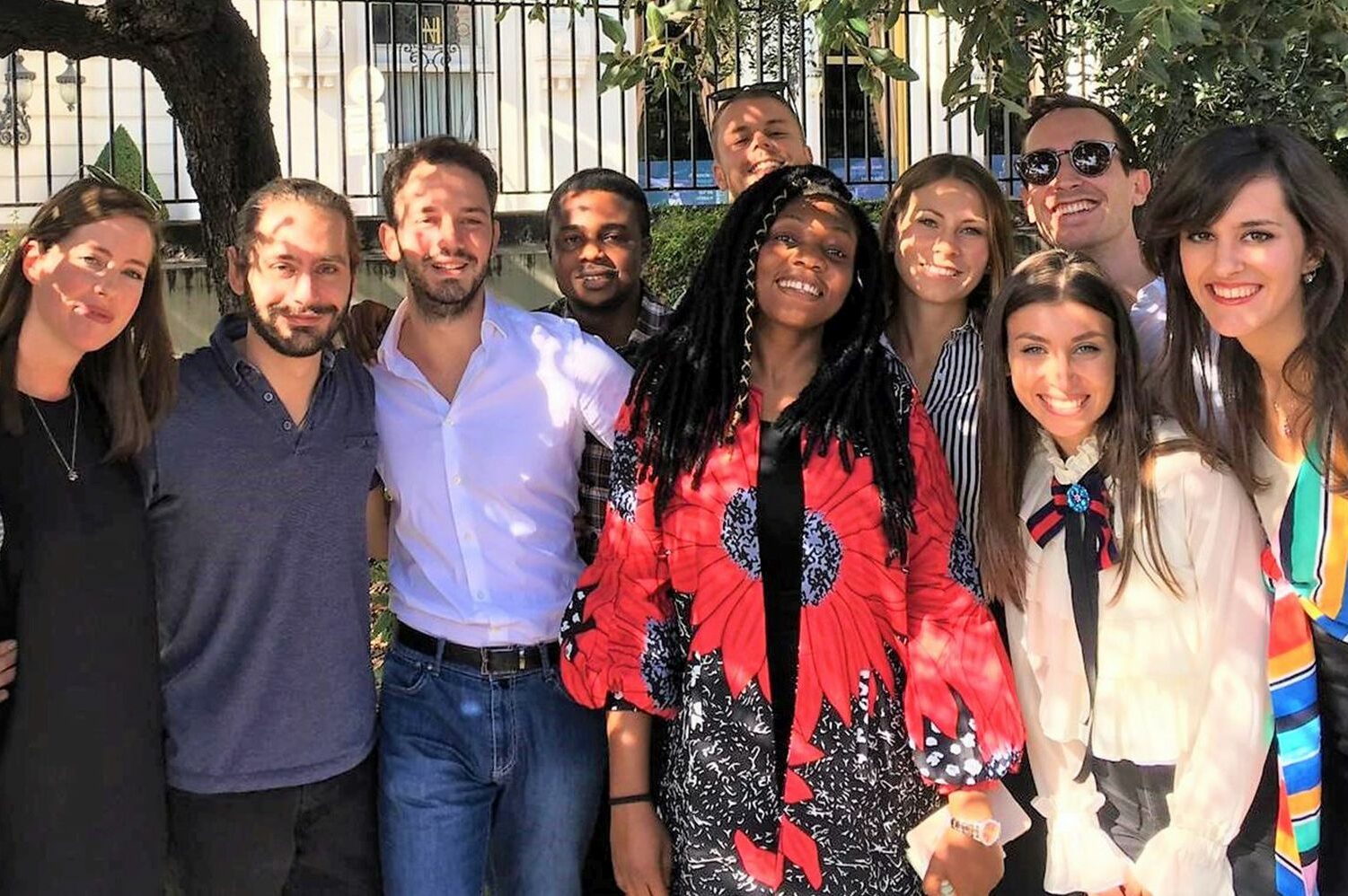
Students from all over the world gain a deep understanding of how EU institutions, policies and actors shape our world through case studies, study trips and discussing with field experts.
Overview of the Academic Year
October to December in Nice (France)
In Nice, students follow introductory classes in EU history, EU economics and current European and international affairs. They also benefit from professional skills workshops with EU experts. The term concludes with a simulation of an EU Council summit.
January to March: Brussels (Belgium)
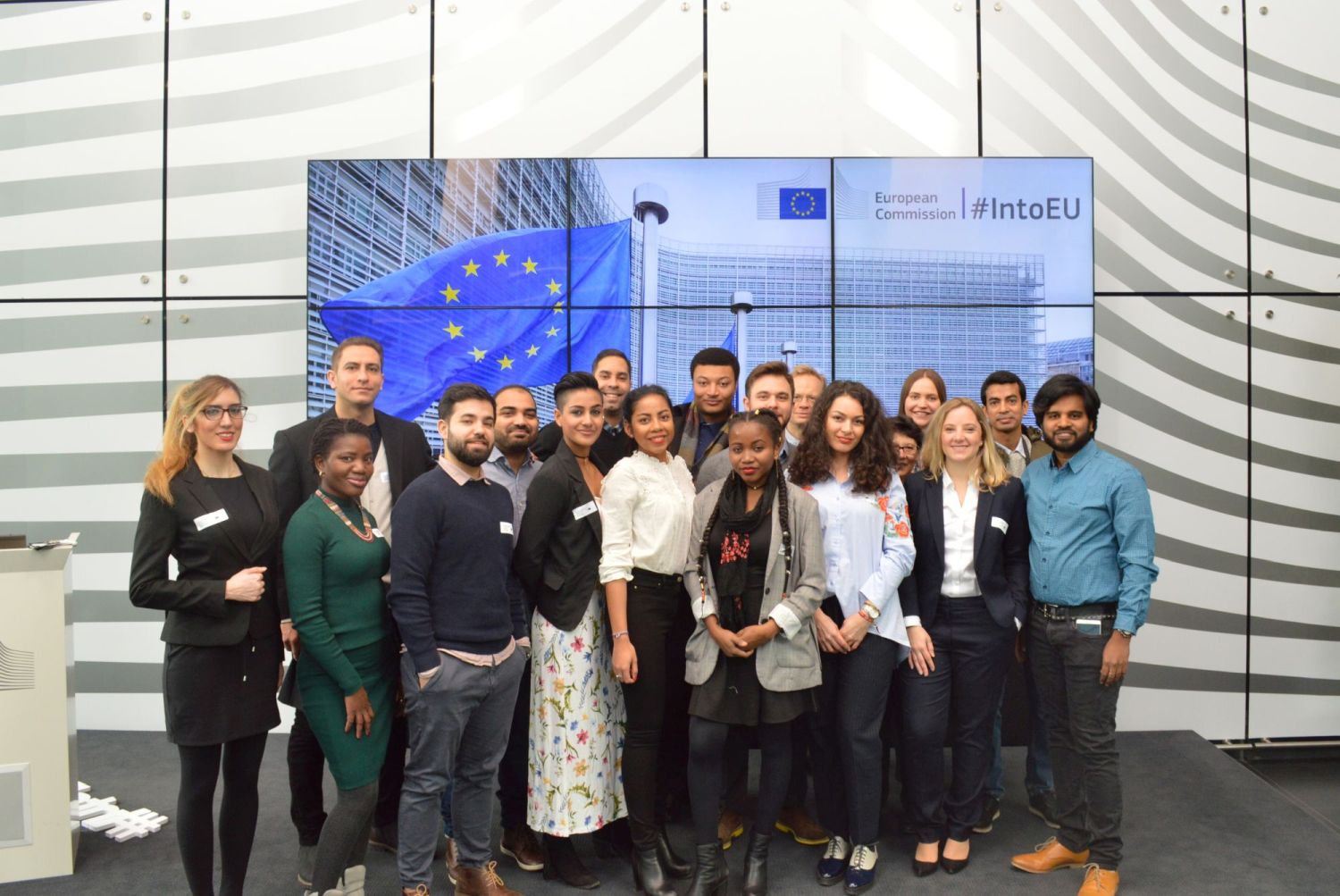
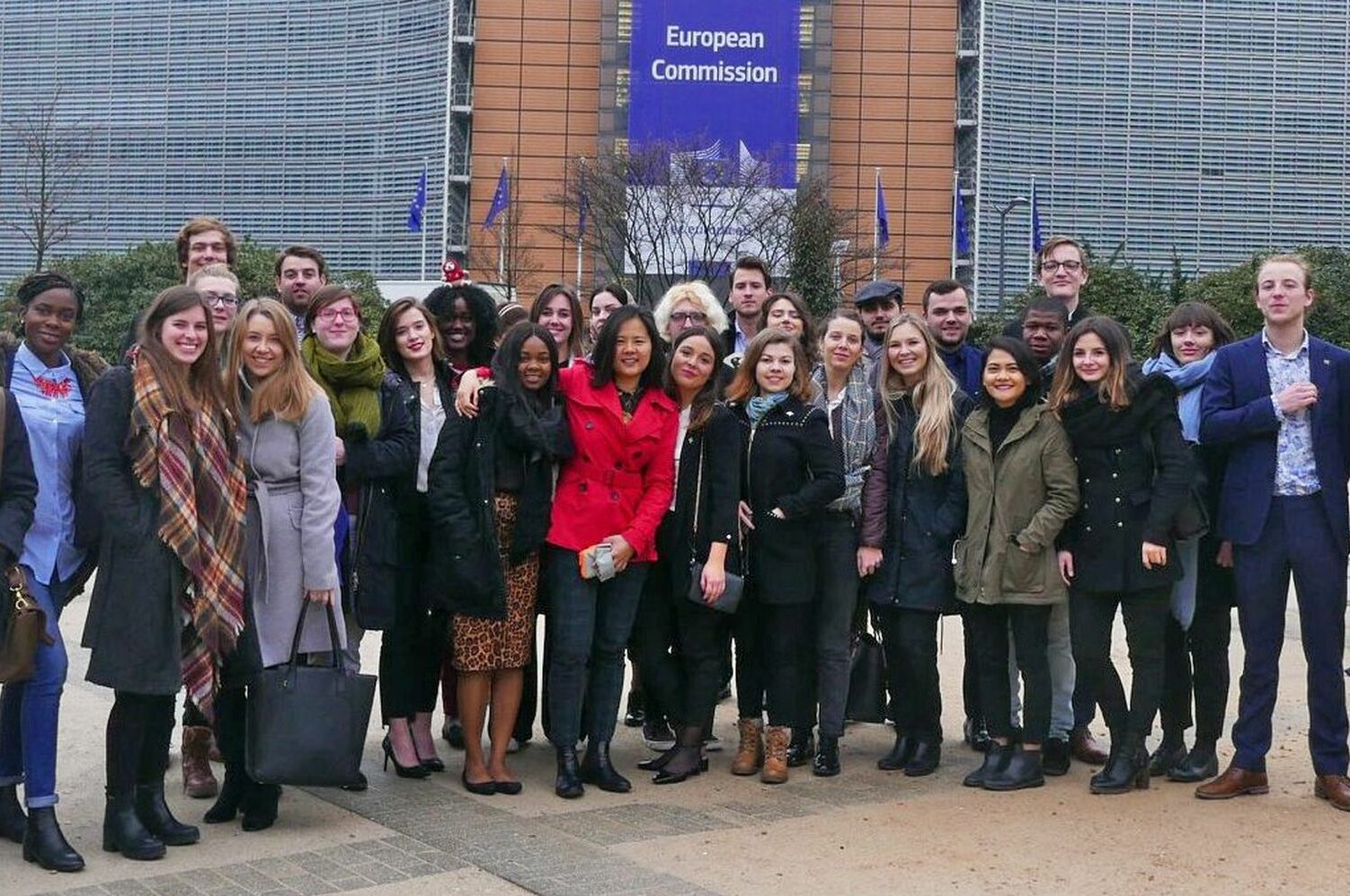
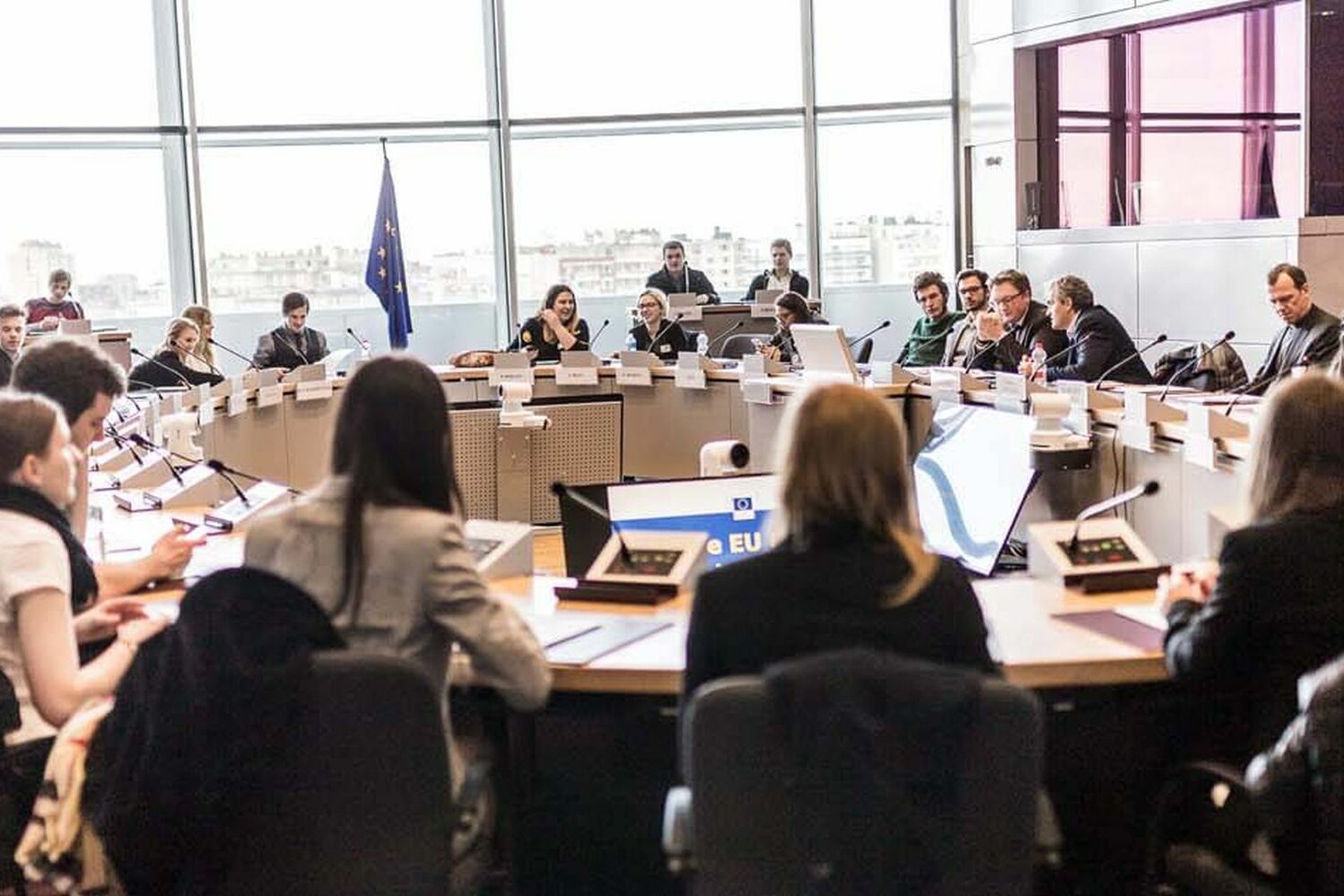
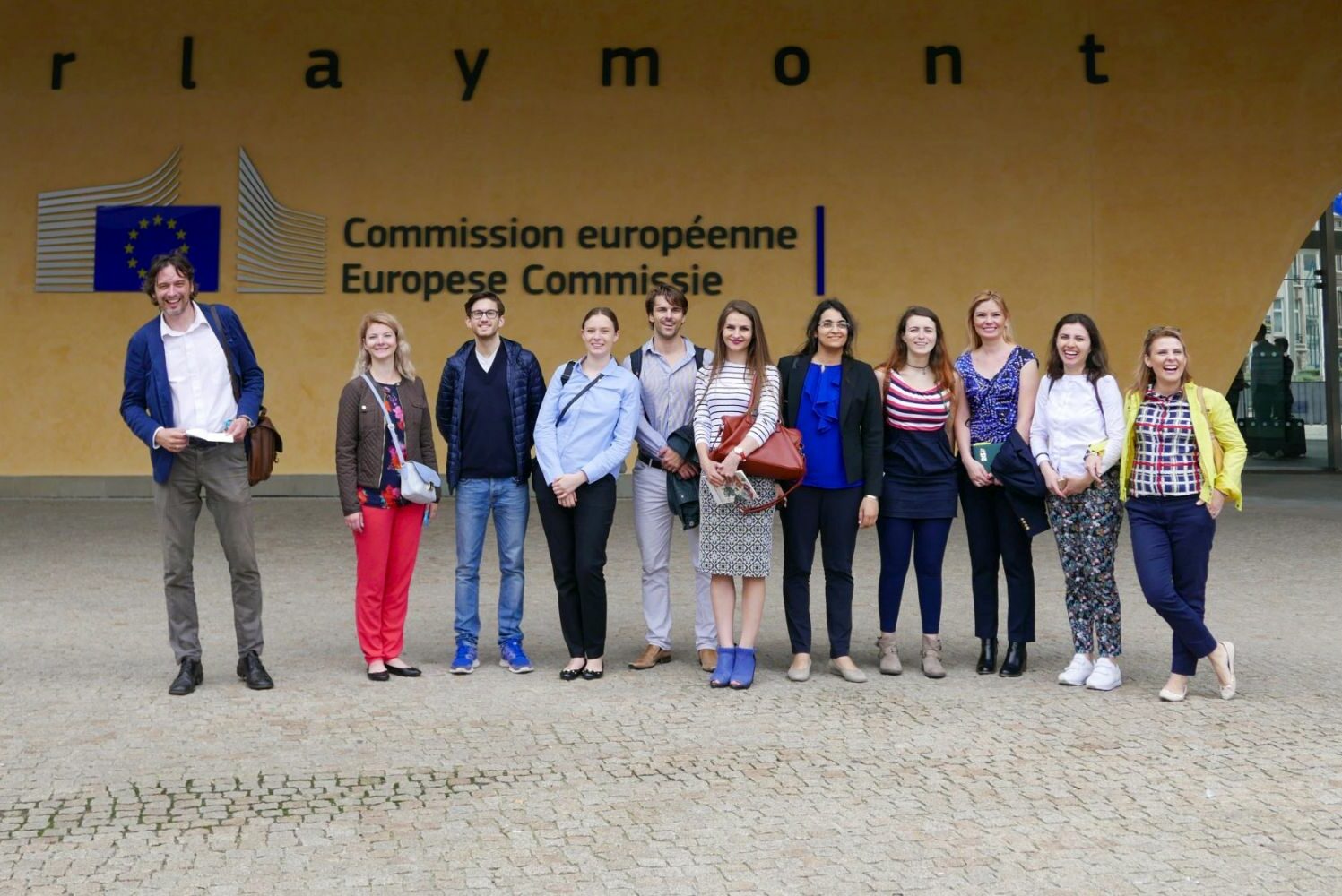
The programme continues in Brussels. In addition to their academic studies, students have the unique opportunity to combine theory and practice by visiting numerous EU and policy-related institutions. Throughout the term, they will meet and exchange with experts and practitioners working in the European capital.
Visiting the European Institutions: One of the best ways to learn about European and international organisations is to visit them. That is why a study trip to Luxembourg and Strasbourg is an essential part of the programme. During the study trip and the whole term in Brussels, the students meet with public officials who explain the mission of their institution and aspects of their work. These visits enable the students to gain an insight into the working environment of European and international organisations, to make useful contacts and to learn about recruitment procedures.
April to July: Berlin (Germany)
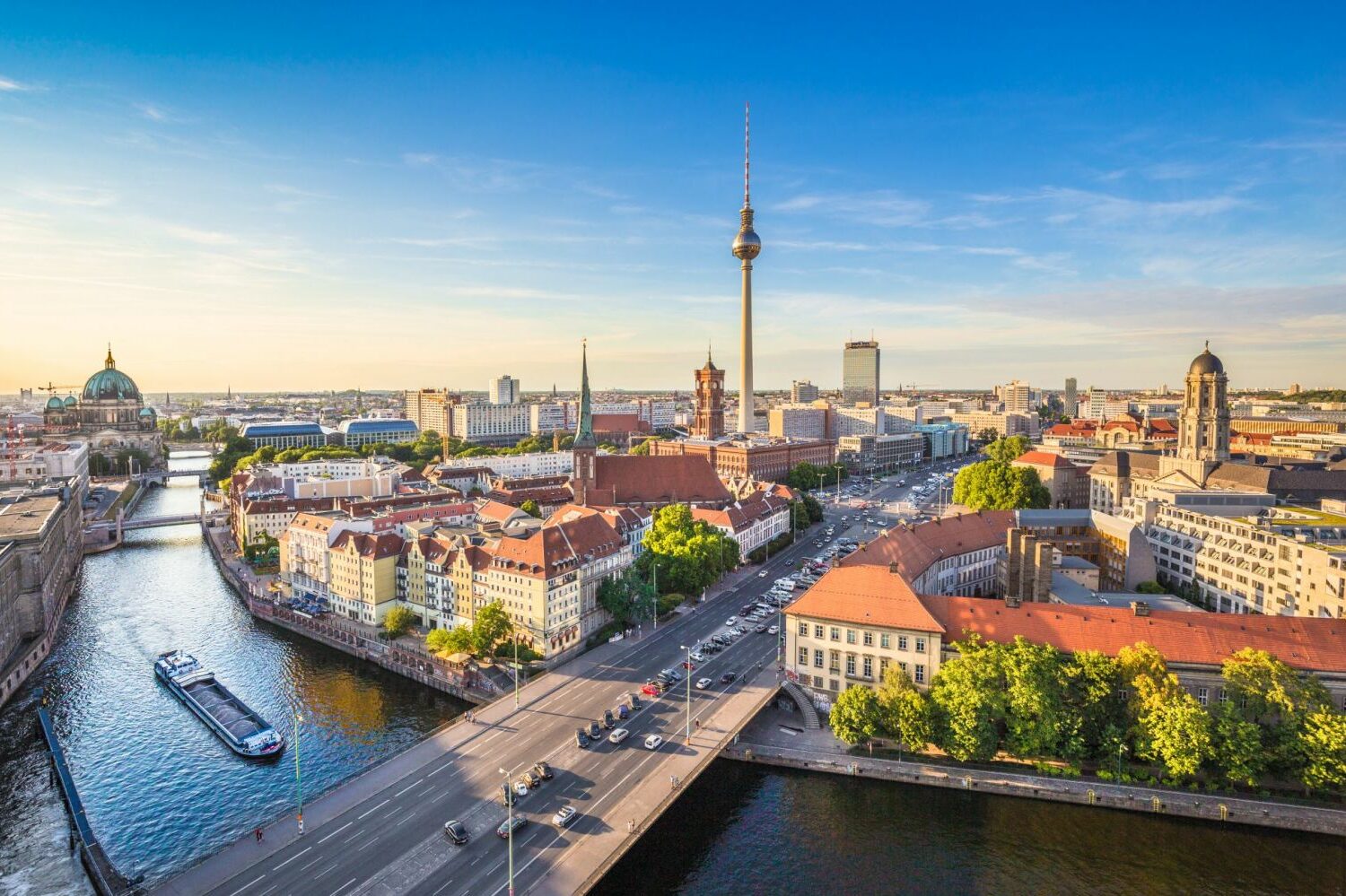
In Berlin, students delve deeper into questions of European policy, with an emphasis on the Eastern Neighbourhood and external relations. They have the opportunity to engage with European integration experts, gain insight into Berlin’s political scene, and take courses relating to contemporary problems in international relations and European politics.
Students taking the trilingual option follow courses in German on Germany’s position within Europe and visit relevant institutions. Students also complete their Master thesis and take their final exams during this term.
Programme structure & learning outcomes
Teaching modules
Five basic modules form the framework of teaching and research at CIFE. International guest lecturers, experts from various European and international organisations, as well as researchers from partner institutions contribute to these modules.
- European Integration and Governance
- EU Policies and Flagship Initiatives
- EU Neighbourhood and External Relations
- The European Economy and Globalisation
- Professional Skills Workshops
The Professional Skills module equips the participants with professional skills and competences that will enable them to work in the context of the European and international organisations.
It includes seminars and workshops on:
- Negotiation Skills and Intercultural Communication
- European Council Simulation
- Real-time EU policies case study: practical exercises
- Drafting of position papers and policy recommendations
- Project Cycle Management
- Career Coaching
Teaching methods
The programme offers problem-focused learning at the crossroads of theory and practice. Students gain a strong academic background and are prepared for the job market through a variety of trainings in professional and practical skills.
Other interesting programmes
-
-
Master in Global Energy Transition and Governance
- The Master in Global Energy Transition and Governance is targeted at students and young professionals with a Bachelor degree and…
The Master in Global Energy Transition and Governance is targeted at students and young professionals with a Bachelor degree and is open to all academic disciplines. It aims to give a deep understanding of the complexity of the current energy transformations in Europe and worldwide.
-
-
-
Master in Advanced European and International Studies – Mediterranean Studies
- The Master in Advanced European and International Studies – Mediterranean Studies is a one-year programme that takes place in three…
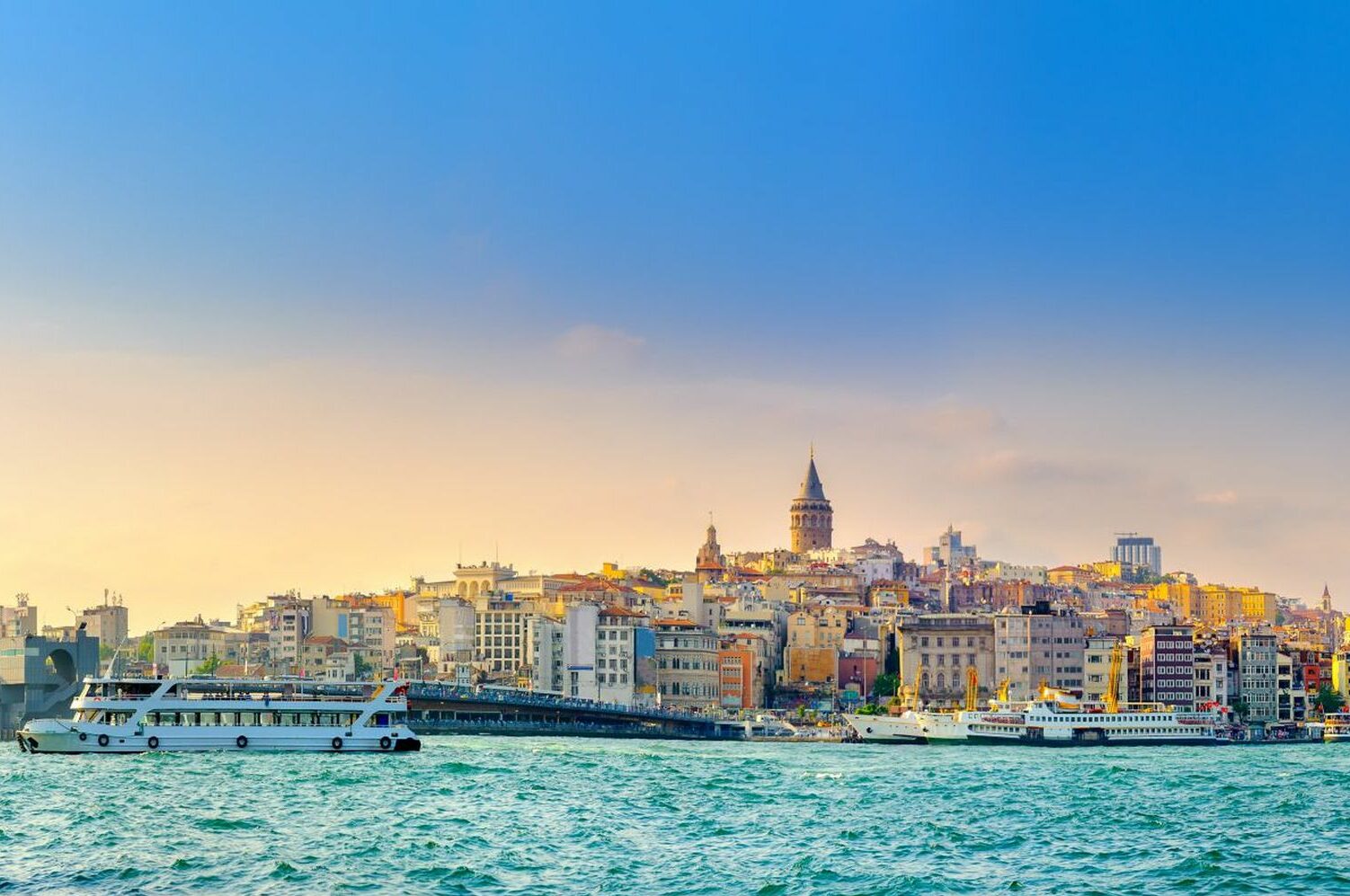
The Master in Advanced European and International Studies – Mediterranean Studies is a one-year programme that takes place in three different cities: Nice, Tunis and Istanbul.
-
-
-
Master in Advanced European and International Studies – European Integration and Global Studies
- The Master in Advanced European and International Studies – European Integration and Global Studies is a one-year programme that takes…
The Master in Advanced European and International Studies – European Integration and Global Studies is a one-year programme that takes place in three different cities: Berlin, Nice, Rome or Istanbul
-
-
-
Master in Advanced European and International Studies – Applied European Policy and Governance Studies (bilingual plus trilingual option)
- The Master in Advanced European and International Studies – Applied European Policy and Governance Studies (bilingual plus trilingual option) is…
The Master in Advanced European and International Studies – Applied European Policy and Governance Studies (bilingual plus trilingual option) is a one-year programme that takes place in three different cities: Nice, Canterbury and Berlin.
-
-
-
Joint Master in Global Economic Governance and Public Affairs
- A one-year joint Master programme by CIFE and the School of Government of LUISS Guido Carli.
A one-year joint Master programme by CIFE and the School of Government of LUISS Guido Carli.
-
-
-

Joint Master in European Cultural Governance
- The Joint Master in European Cultural Governance (EUCULTURE) is offered by CIFE and the School of Government at Luiss Guido…
The Joint Master in European Cultural Governance (EUCULTURE) is offered by CIFE and the School of Government at Luiss Guido Carli.
-
-
-
Joint Master in EU Trade and Climate Diplomacy
- The Joint Master in EU Trade and Climate Diplomacy (EUDIPLO) is offered by CIFE in Berlin and Nice and the…
The Joint Master in EU Trade and Climate Diplomacy (EUDIPLO) is offered by CIFE in Berlin and Nice and the School of Government at LUISS Guido Carli in Rome.
-
-
-
Executive Master in EU Studies
- The Executive Master in EU Studies offers a different brand of higher education to national universities. Participants come from a…
The Executive Master in EU Studies offers a different brand of higher education to national universities. Participants come from a great variety of countries and backgrounds.
-